


So what is the current status of innovation in small and medium-sized enterprises (SMEs) in Japan? In this article, we will explain the status of innovation activities by SMEs and information on their partners, while also focusing on the actual status of innovation activities.
Specific efforts by small and medium-sized enterprises (SMEs)
Actual situation regarding the counterparties of innovation activities
Let's understand the reality of innovation in small and medium enterprises.
Innovation Activities in Small and Medium Enterprises

What is the current state of innovation activities in SMEs? Here we present a survey conducted by the Tokyo Chamber of Commerce and Industry (TCCI) in 2020.Survey on Innovation in Small and Medium EnterprisesWe will delve into the reality of innovation activities based on the
More than 70% of all SMEs implemented
As a result of the fact-finding survey, "73%" of SMEs responded that they are engaged in innovation activities. In other words.More than 70% of all SMEs innovateThe company is doing this.
Next, let's look at the status of implementation for each type of innovation. There are two main types of innovation.
The first is.Process InnovationProcess innovation is innovation in business processes. Process innovation refers to innovation in business processes, and SMEs that engage in process innovation are23.8%."This was the result.
Second.Product InnovationIt is. Product innovation refers to innovation that develops new products and technologies, and SMEs that engage in this2.9%."The company was
46.3% of SMEs responded that they are working on both. That is, rather than either one or the other,It is more common to work on bothIt can be said that
About 30% of companies engage in innovative innovation
Innovation is defined as working on a new mechanism that other companies have not yet introduced. While more than 70% of SMEs are engaged in innovation activities, this30% of companies engage in innovative innovationThe current situation is far below the level of about
9.5%" for process innovation, 7.8%" for product innovation, and 13.2%" of SMEs are working on both.
Reference: "Survey on the State of Innovation in Small and Medium Enterprises" Report
Status of Specific Efforts by Small and Medium Enterprises
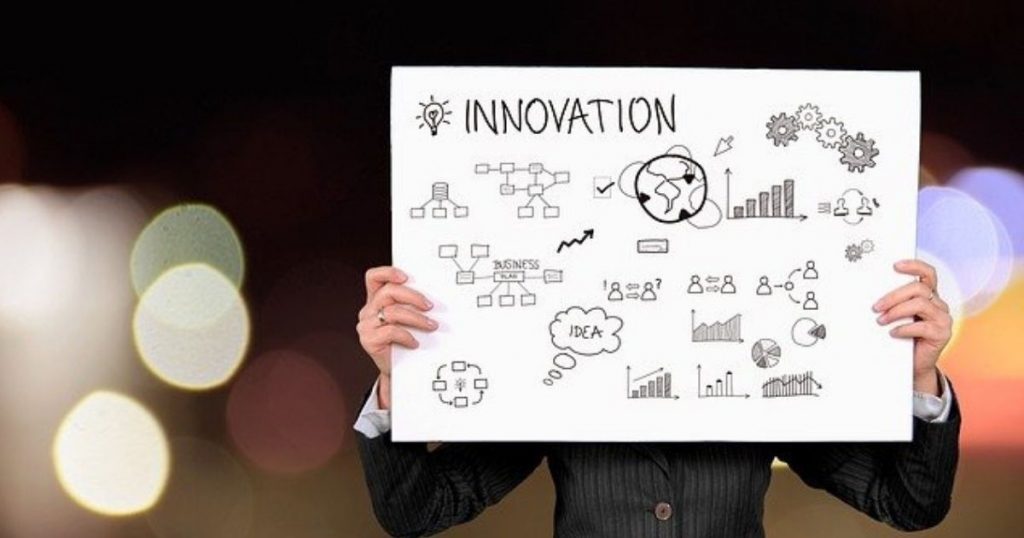
Here are three representative examples of specific efforts by SMEs engaged in innovation activities. Let's take a look at the details of each initiative.
Review of production processes
The most common status of the initiative wasReview of production processesand three are introduced in the Fact-Finding Survey.
The first is an example of environmentally friendly product development that captures the needs of waste materials. By partnering with a factory that has the technology to recycle waste wood, we have established a production process that would not have been possible in-house, and have succeeded in developing new products.
The second example is the introduction of stress analysis software. By introducing specialized software, rather than designing molds based on conventional experience, IT technology is added to experience, and even less experienced employees have succeeded in speeding up their design capabilities.
The third is successful differentiation within the industry. This is an example of establishing a new processing technology based on a request from a customer.
Additional ways to provide products and services
The following is the status of the initiativeAdditional ways to provide products and servicesIt is. There are two main categories here.
The first case study is the introduction of a flat rate system for processing embroidered items. By introducing a flat rate system, the company eliminates the need for a quote each time, reducing the burden on sales staff and successfully attracting customers through the e-commerce site.
The second is the music and school business. With the outbreak of the new coronavirus, we have started online lessons as well as face-to-face online.
Improve advertising and promotional measures
Last but not least.Improvement of advertising and promotion measuresThis is a case study of a retailer's efforts in the In addition to developing a sales management system, the company has successfully combined store and e-commerce, leading to a new sales channel of system sales.
Facts about the counterparties of innovation activities

What is the actual situation regarding counterparties in innovation activities? Again, based on a survey conducted by the Tokyo Chamber of Commerce and Industry (TCCI), we present the following information.
More than 70% of the company's business is done in cooperation with its suppliers
The partners with which innovation activities are linked are often those with whom the company originally had a relationship, such as customers, sales partners, and suppliers, and they account for more than 70% of the total number of partners. In other words, the fewer the number of business partners a company has, the more difficult it is to find partners to collaborate with. For this reason, it is essential to provide innovation support that enables any company to find a partner for collaboration in a uniform manner.
Satisfaction with collaboration is high for startups, etc.
Satisfaction with collaboration partners was high for startups and other companies.It is. of start-up companies.Satisfaction level is "26.1%."This was the result.
The results of "21.1%" satisfaction with customers and sales partners, which are the most common collaboration partners, and "20.7%" satisfaction with suppliers, show that collaboration with start-ups is highly satisfactory.
Reference: "Survey on the State of Innovation in Small and Medium Enterprises" Report
Let's understand the reality of innovation in SMEs.

We have explained the current status of innovation in small and medium-sized enterprises (SMEs) based on a survey conducted by the Tokyo Chamber of Commerce and Industry (TCCI). We hope that you now have a better understanding of the actual state of innovation in small and medium-sized enterprises (SMEs).
How to promote innovation in SMEs,Need to establish an efficient support mechanism through the united efforts of local communities and economic organizationsThere is a need to To this end, it is essential to understand the actual status of innovation in SMEs. Let's build a circle of support that is close to businesses that want to innovate.






 JA
 EN
