


So let's discuss the food and beverage industry post-Corona, DX in the food and beverage industry, and food tech.
...Post-Corona restaurant business management must work with "food tech".
Introduce startups whose business is DX and food tech in the food and beverage industry.
More efficient management of the post-Corona restaurant business through collaboration with startups.
The Post-Corona Food and Beverage Industry and DX
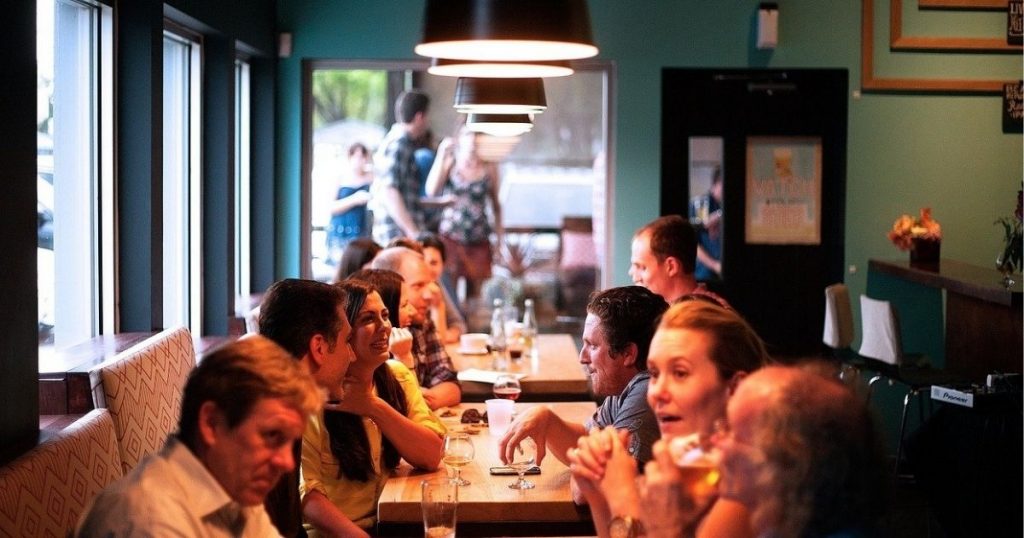
We will begin by describing the post-Corona food and beverage industry.
Restaurant business management changed by the Corona disaster
The Japanese economy has been severely damaged by the spread of the new coronavirus infection. Among them.The food and beverage industry was most affected.It is. The restaurant industry has experienced the highest number of Corona-related bankruptcies among all industries, and has been subject to social constraints such as closures and requests for shorter hours. Many restaurants have been forced to make changes in their management and restaurant operations, such as taking thorough measures against Corona and responding to changes in the social environment, such as take-out and delivery.
Some companies are working toward post-Corona through DX.
While the efforts of the food and beverage industry during the corona disaster were primarily focused on infectious disease control, some companies are taking advantage of this opportunity to introduce DX. The food and beverage industry is particularly susceptible to corona control-related financing,Investing in DX to combat infectious diseases and improve management efficiency and services is an effective post-corona approachIt is.
For example.Expand sales channels by introducing QR code payments and electronic payments, and by opening e-commerce sitesand others are easy themes to start with for DX, so consider introducing them with an eye toward post-Corona.
Post-Corona restaurant business management must work with "food tech"

The post Corona's Restaurant Management Success, Not Just DX.Collaboration with "FoodTech"is also important. So, let us introduce you to FoodTech.
What is Foodtech?
Food Tech" is a term used to describe businesses that are working to integrate food and IT. The term "Food Tech" refers to businesses that integrate food and IT. While Japan's population is declining, the global population is increasing, and there are fears that food shortages will occur in the future,Efficient food production and development of new food products using IT technologyare attracting attention. It is also expected to address social issues such as catering to vegans and people with allergies, such as vegans, and reducing food loss.
Food Tech Contents
Basically, using IoT and AI.Building an efficient food production systemAnd so on,Improving food distribution efficiency and reducing food loss through ITor meat substitutes (technology that uses other foods to achieve the taste and texture of meat).Developing new food productsFood tech is a technology that allows anyone to make food. In addition, agriculture and cooking are fields that rely heavily on human factors such as intuition and experience, but food tech can also be said to be technology that enables anyone to do this through the power of IT.
Challenges that can be solved by food tech
Food tech can solve a variety of issues surrounding the restaurant industry. For exampleImproving food production efficiency, promoting traceability, improving sanitation, and reducing labor shortages.can be expected. If you have an issue that you would like to solve in order to run a successful post-Corona restaurant business, let's first explore how food tech can help you solve it.
Introducing startups that are in the business of DX and food tech in the food and beverage industry.
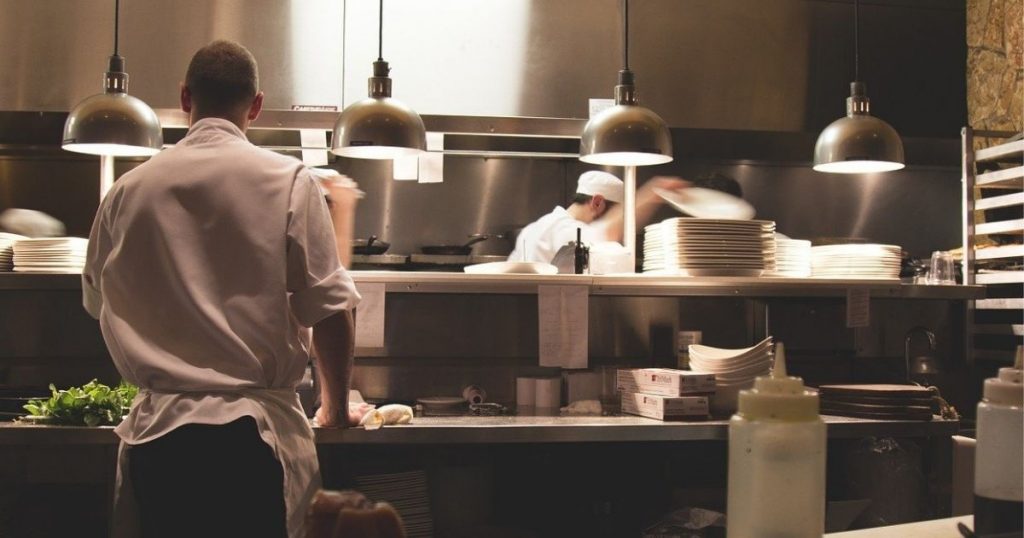
More and more startups in Japan are supporting food tech and DX in the restaurant industry. Here are three case studies of three companies.
CRISP Corporation (PLATFORM)
Supporting the digital shift in the food and beverage industry isPLATFORM" by CRISP Inc.It is.
Specifically, we provide mobile ordering services. Ordering" and "payment" are two key areas for improving the management of the restaurant business. Both of these businesses have management risks, such as problems with customers when waitstaff make mistakes, which can lead to loss of revenue and profit.
Also, to ensure efficient operations, other tasks are stopped while orders are taken.Ordering and payment can be done on the customer's mobile device.is a great advantage.
POST COFFEE Co.
Subscription (subscription service) for coffee versionThe POST COFFEE Co. is providing thePOST COFFEE.It is. Users can perform a "coffee diagnosis" and receive monthly deliveries of coffees that match the user's preferences.
Recently, there has also been an increase in subscription-based food techs that offer not only coffee, but also a variety of other foods, such as produce, breads, and pastries.
▶︎https://postcoffee.co/
Daybreak, Inc.
day breakThe Corporation isReforming Food Distribution Using Specialty Refrigeration Technology and ITThis is a startup that provides It proposes optimal freezing methods that match the foodstuffs handled by its customers and works with them to create more efficient and low-cost food distribution methods.
The company is also involved in the food loss business, using freezing technology to utilize lost ingredients such as out-of-specification fruits as smoothies and frozen fruits. We provide food products that are good for both the global environment and the body.
▶︎https://www.d-break.co.jp/
Working with startups to make post-Corona restaurant business management more efficient

The food and beverage industry was severely damaged by the Corona disaster,Collaboration with DX and food tech startups for post-CoronaMore and more stores are moving forward with
In order to recover quickly and grow more in the post-Corona period, it is important to start the corporate transformation process now. If your company does not have the resources,Work with startups through open innovation*.We will also consider
Open innovation...A method of innovation in which companies collaborate with external organizations to develop new products and services by utilizing the technologies and ideas of the partners.





 JA
 EN
