


In order to face these challenges, open innovation is also attracting attention, but many companies are not ready to introduce it. In this article, we introduce the current status of the energy industry and renewable energy in Japan, as well as case studies of companies engaging in open innovation.
Open Innovation Case Studies in the Energy Industry
Open innovation is the key to transformation of the energy industry.
Current status of the energy industry and renewable energy in Japan
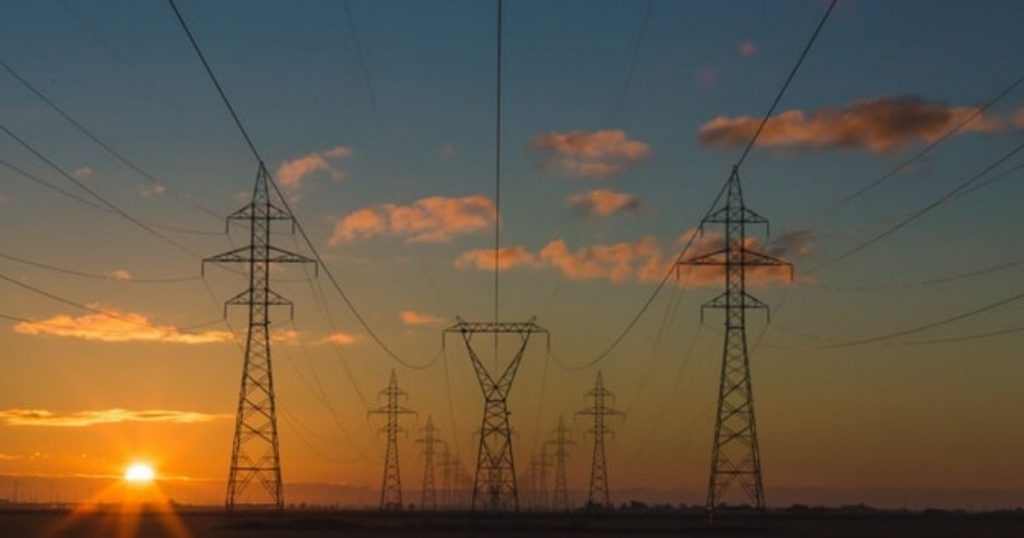
Energy is an important resource that is indispensable to our daily lives. On the other hand, Japan's energy industry faces many challenges, and there are concerns about how to address these challenges with an eye toward the future. Let us first look at the current state of the energy industry in Japan.
The energy industry is divided into three main categories
Energy is broadly classified into electricity, gas, and petroleum, and the energy industry is a group of companies that handle these three types of energy. The industry as a whole has a market size of approximately 45 trillion yen, making it one of the largest industries in Japan.
Energy, which we take for granted every day, is of course in high demand, and the industry will not disappear in the future. However, each energy source has its own challenges that cannot be overlooked if we are to continue to use it, and it is true that changes are occurring in the marketplace.
For example, the environmental burden caused by carbon dioxide emissions and the decrease in finite resources such as fossil fuels are considered a problem worldwide. Even within JapanCreation of new energy sources to avoid energy self-sufficiency risksThere will be a growing interest in
Demand changes may also occur due to lifestyle changes. The energy industry is taking advantage of the characteristics of each type of energy,How should the future supply-demand structural balance be achieved?We are forced to think about it.
Susceptible to changes in overseas conditions
Japan is poor in fossil fuels used as an energy source and is heavily dependent on foreign imports.Domestic energy self-sufficiency rate is 12%There are only about
Therefore, it is easily influenced by international affairs and other factors,Difficult to secure a stable energy sourceIn addition, whenever the international price of fossil fuels fluctuates wildly, the price of electricity in Japan is also affected. In addition, whenever the international price of fossil fuels fluctuates wildly, even domestic electricity prices are affected.
Stable energy supply and reduced risk of price fluctuations will lead to economic revitalization of industrial activities. It will also be essential to take measures against dependence on fossil fuels, such as diversifying energy procurement sources and diversifying the regions from which energy is imported to curb costs.
Japan has low utilization of renewable energy.
Renewable energy is energy that exists in nature, such as solar, wind, and hydropower, that is not depleted.The first is the "MAP" (Mixed Use) system. The introduction of this technology is attracting a great deal of attention from the perspective of environmental issues, and efforts are being made to expand its use around the world.
howeverJapan has a low utilization rate of renewable energy of about 151 TP3T.However, compared to the rest of the world, the use of this technology is not widespread. The reasons behind this may include "high construction costs" and "dependence on natural conditions (difficulty in stably supplying large amounts of energy).
Since the introduction of the feed-in tariff system in 2012, penetration has been growing, but the increase in the burden on the public due to the levy has also become an issue. In order to further expand the use of feed-in tariffs in the future, it is important to address these issues and how to deal with them.
Open innovation is not widespread.
The challenges in the energy industry are listed below, but none of them will have immediate solutions. Some of these issues may be difficult to solve using only your own resources.
thereforeThe concept of "open innovationOpen innovation is expanding. Open innovation is a management strategy that proactively incorporates new technologies and ideas not only within the company's own organization, but also in collaboration with external parties.
While this is a mainstream movement in other countries, it has not yet penetrated Japanese companies to a great extent. In the future transformation of the energy industry, breaking away from conventional ways of thinking will be a necessary point for corporate growth.
Examples of Open Innovation in the Energy Industry
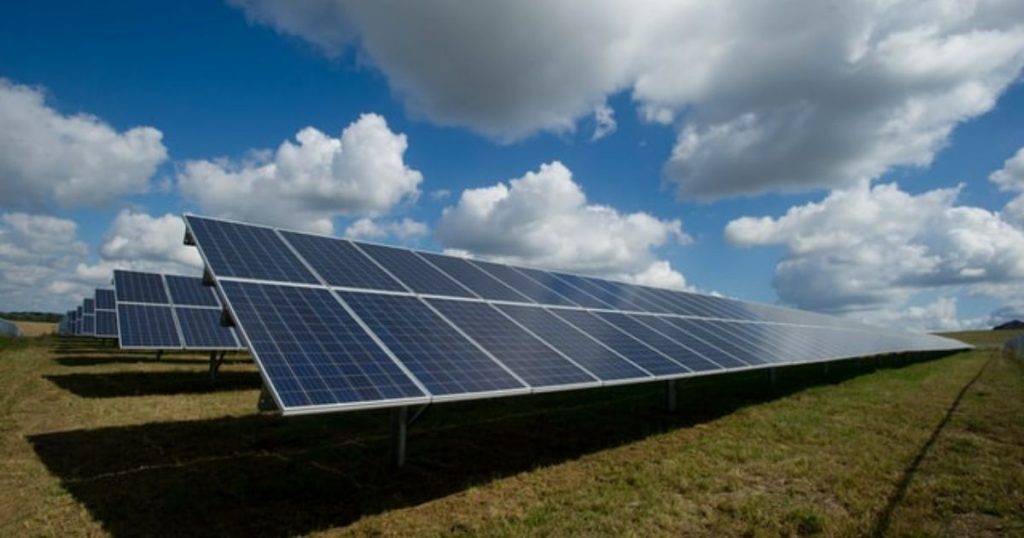
Here,Examples of companies in the energy industry engaged in open innovationthree of them.
Looop] MY Power Plant Kit
Looop CorporationNow, under the concept of "make it yourself," we willSolar power generation system "MY Power Plant Kit®".The company has been selling the system since its inception. The low cost of the system makes it easy for small and medium-sized businesses and individuals to install the system, and we have achieved installation in more than 500 locations throughout Japan in the first six months since the system was launched. We aim to maximize the spread of renewable energy with our co-creation partners through our consistent service delivery capabilities.
[SmartTech] Z-Solar
SmartTech CorporationwellFree installation of company-owned photovoltaic systems with "Z Solar."During the period, you can use electricity used during the daytime at a discount and save money on your monthly electricity bill. During the period, electricity used during the daytime is available at a discount, enabling customers to save on their monthly electricity bills. We have turned our attention to the issue of the installation cost of solar power generation systems and have realized the provision of inexpensive renewable energy.
TEPCO Ventures] Zero initial investment service
Tokyo Electric Power Ventures, Inc.school (e.g. of ikebana)Sharp Energy Solutions Corporationand co-creation withCorporate solar power generation service with "zero initial investmentThe company has launched a new project, "Mutual Support for the Installation and Management of the System". We will bear the installation costs to lower the hurdles to introduction, and provide operational support from maintenance to management by sharing the roles in which we are mutually specialized. This will contribute to the creation of a new, safer and more secure social infrastructure and the expansion of renewable energy.
Open Innovation is Key to Transformation of Energy Industry
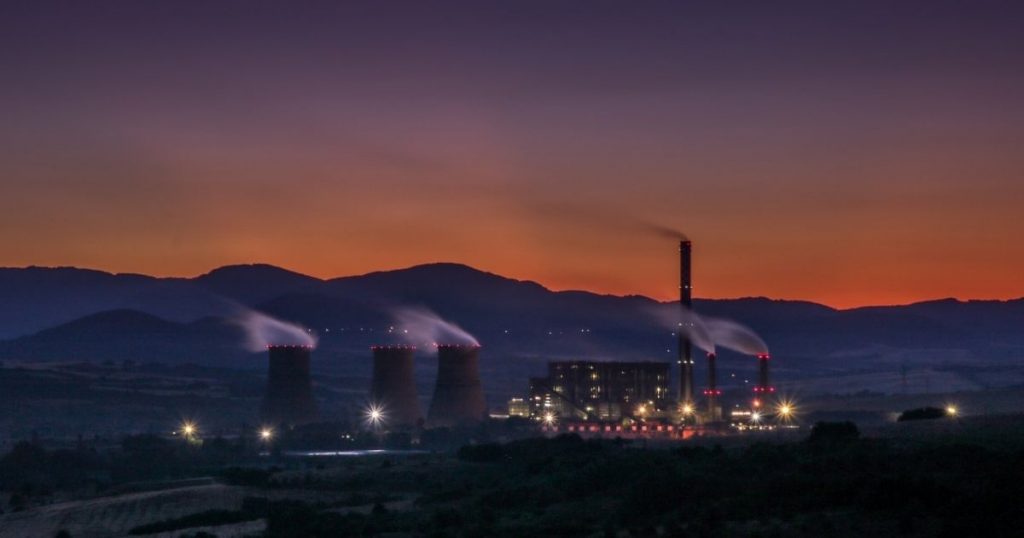
We introduced the energy industry in Japan, the current status of renewable energy, and case studies of companies engaged in open innovation. It is precisely because the energy industry is a high demand and supply industry that we must seriously address the issues that are piling up.
Expectations are growing for the creation of new energy sources such as renewable energy, especially with regard to global environmental issues and the stable supply of energy in their own countries. However, addressing these issues currently includes major problems that cannot be compensated for by in-house resources.
By gaining co-creation partners through open innovation, the energy industry contributes to a sustainable societyand will continue to grow and develop.






 JA
 EN
