


What is hakken's business that you are interested in?
Please tell us about your company's business and the services you provide!
takeiWe operate a brand called "UNDR12," which sells dried vegetables as is or with added processing to the general public, develops products jointly with companies, and wholesales to food manufacturers.
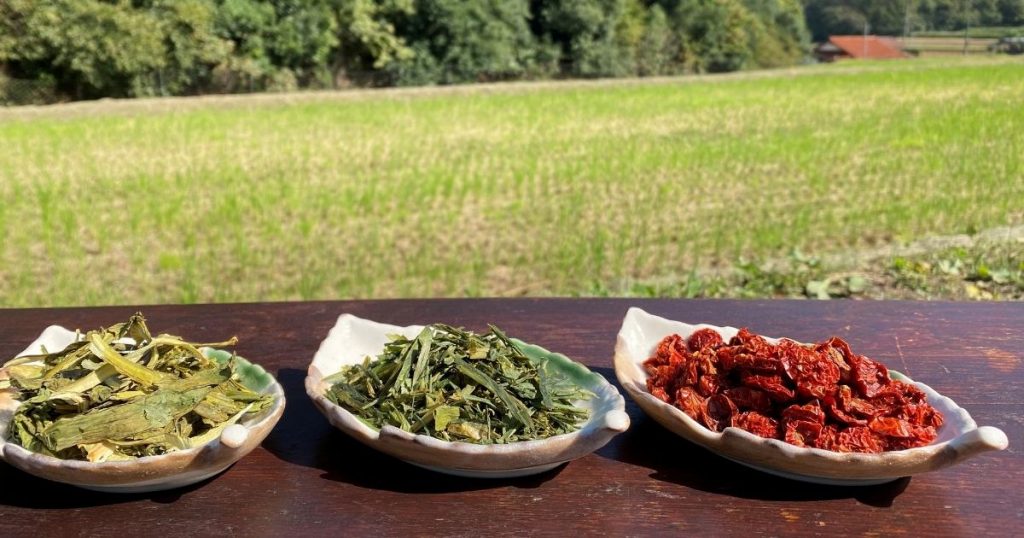
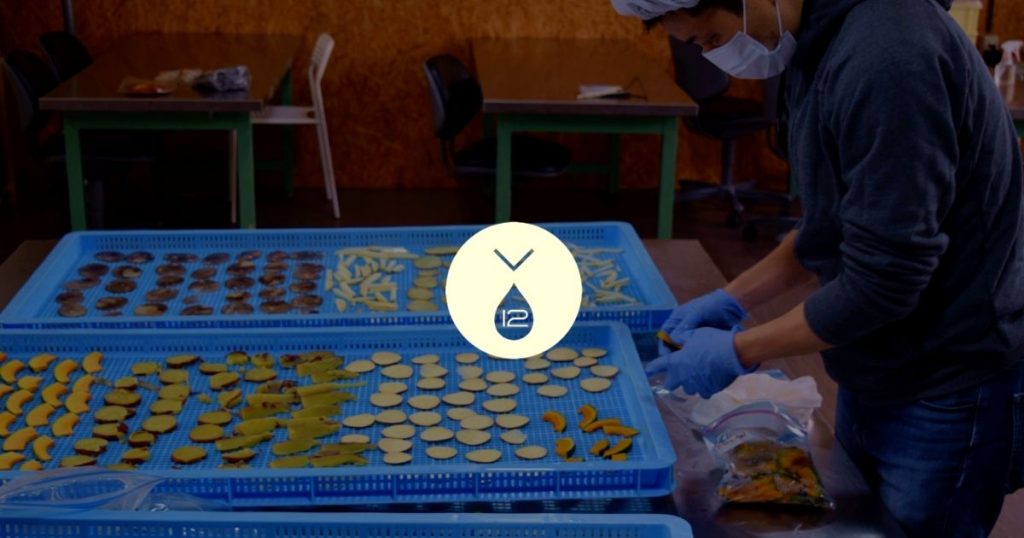
By reducing the "free moisture," or the amount of water in which microorganisms can grow, to less than 12%, the shelf life of vegetables can be extended more than 20 times. Since 90% of raw vegetables are water, their weight is also reduced, resulting in lower storage and transportation costs.
We just launched our e-commerce site in February of this year and are currently working on toC and toB sales.
The needs of the "toB" market are particularly high, with a cumulative total of 21 companies having requested our services.
What kind of products do you make, for example?
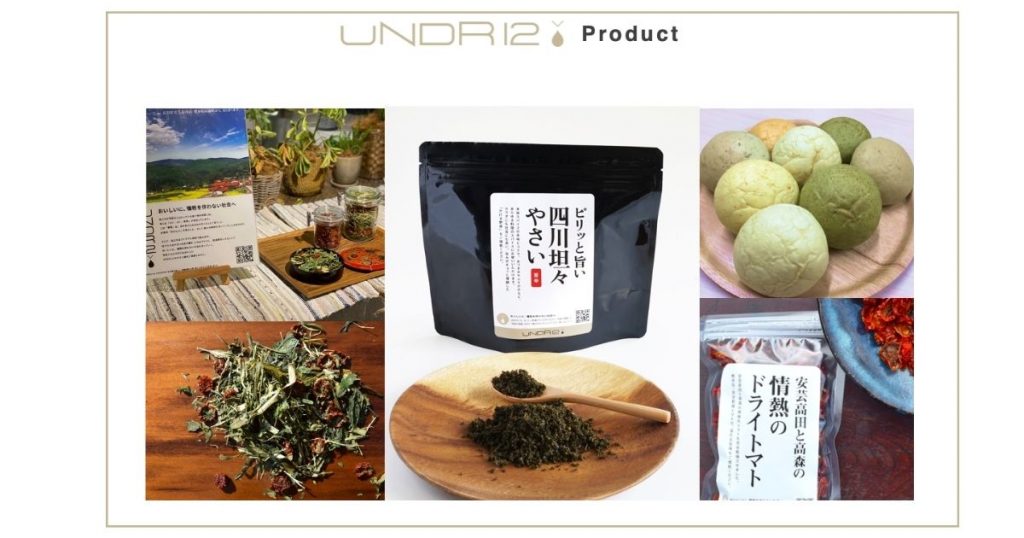
Takei:Existing products include "Szechuan Tangy Yasai," a premium furikake with authentic Szechuan spiciness and flavor made in collaboration with a manufacturer in Hiroshima, and "Thick Yasai," a dried vegetable packet with a very rich vegetable aroma by drying the vegetables on the day of harvest. Recently, we have also been making a "gyoza kit," which can be mixed with ground meat to make gyoza seeds in an instant, and after much trial and error, we finally obtained approval from the Utsunomiya Gyoza Association. In addition, we are also trying to make a soup stock packet in which the loss of farmed fish is powdered and combined with vegetable powder to multiply the amino acids and double the flavor. We are also trying dried green onion potage, making pizza sauce and ingredients, and citrus fruits in Ehime Prefecture. We are also working with a school lunch distributor in Nagano Prefecture to make vegetable bread for school lunches.
Japan's food waste is larger than the world's annual food aid
Can you tell us about the social issues you want to solve with your services?
takei:One of the issues we are facing is the disposal of vegetables, which is estimated to amount to 4 million tons.. If pre-shipment waste vegetables, which are not included in the MAFF announcement, are included, the estimated amount is about this much. And this 4 million ton figure is about the same as the amount of food aid provided by the UN WFP to about 800 million of the world's poor.The amount of vegetable waste in Japan and the amount of total food aid in the world are roughly the same.
In addition, the aging rate in rural Japan is accelerating and will reach 60% by 2030. Vegetable growers are disappearing rapidly, and more will have to be imported in the future. We are throwing them away.... We want to solve this contradiction.
Facing the origin of "work that people should do," he decided to start his own business.
Mr. Takei, you originally worked as a sales representative for a trading company and have experience stationed overseas. What made you decide to start a business on the food loss issue?
Takei:This is an issue that I have always been interested in. After becoming independent, I worked with the Ministry of Agriculture, Forestry, and Fisheries to promote organic farming and launched an online cooking school platform as our own service, so I guess I have a background of being in contact with the fields of agriculture and food for a relatively long time.
During my time with a trading company, I felt a kind of rebellion when I was working on resource-related jobs, such as mining iron ore and coal for overseas projects, wondering if I could do this all the time.
In Corona Disaster,I felt as if I had an opportunity to redefine the concept of work and what is important in life, and when I reviewed the "work I should be doing," I knew now was the time to take the helm.
There are many other approaches, such as climate change, plant-based, and smart agriculture, but in my opinion, the issue of food waste is the most "unpleasant" one.We chose this issue of food waste because it is easier to move as a motivation on a topic where we feel the strongest sense of challenge, rather than on where we think we can make the most money.
It must have taken a lot of determination to make the switch from a major trading company to starting a business. Why did you decide to give up stability to start your own business?
Takei:Yes, it is,From my point of view, rather than abandoning stability, it was more of a negative to remain in my former industry.I had doubts about the fact that we are taking what the earth has deposited over hundreds of millions of years, burning it, and using it as energy to make money, if we look at it calmly and objectively.It is profitable, but the disadvantages in terms of the environment and international relations are so great that in the long run I wanted to be on the right side as a person.
How to Take Advantage of Regional Accelerator Programs
.Ehime Accelerator 2021and an accelerator program sponsored by Nagano Prefecture, "NAGANO-OIC 2021What do you feel are the advantages of collaborating with a business company after actually participating in the accelerator?
Takei:The advantage is that it is easy to get into the community.I believe that it is Rather than collaborating with companies to achieve what we want to do, we feel that it is more beneficial to get to know them and to seize the opportunity to enter areas where they are focusing their efforts.
<Yonkyu xhakken>Dashi soup stock made by combining fish and vegetable powders
Ehime Accelerator 2021" with Yonkyucooperative industryCan you tell us about the
Yonkyu Corporation, located in Uwajima City, Ehime Prefecture, is a wholesaler of fresh fish, fry and feed for aquaculture.
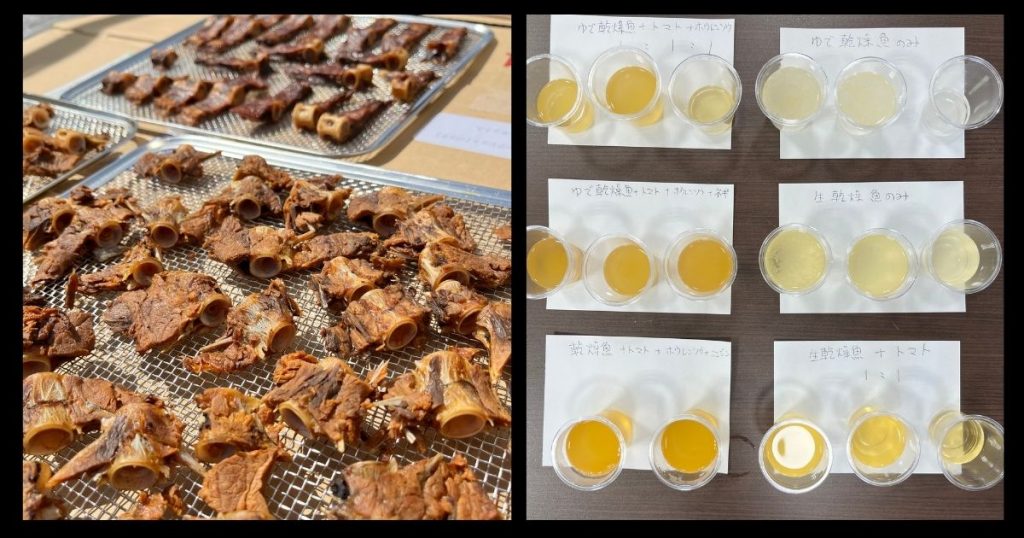
Takei:What is Mr. Yoncu?The broth is developed by combining fish and vegetable powders.It is a product that "multiplies inosinic acid and glutamic acid to increase umami by 7-8 times."
The hurdles in this development were very high, and we are still going through a trial-and-error process. We actually went to Uwajima to inspect the factory and stayed there for about a week to make the product, but we are struggling with the fact that the extraction of fish oil does not go well and is easily oxidized when it is commercialized. Fish oil extraction can be done by hand, but for efficiency, we need to have a partner who processes fish oil between us to commercialize the product. We are currently considering whether to overcome this problem or pivot the direction of our efforts. DHA from fish oil has commercial value, so we are looking forward to the participation of manufacturers who are willing to work with us to create supplements that are good for society and the body!
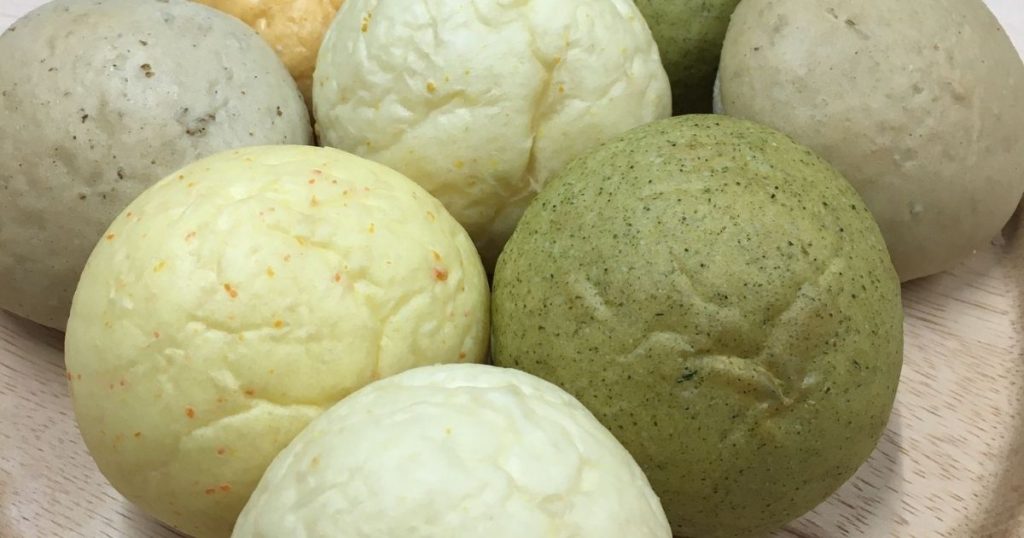
Baking lunch bread using dried vegetables
Could you tell us about your collaboration with Meal Care, which was adopted in the "NAGANO-OIC 2021" program?
Meal Care Co., Ltd. is developing a "food" service business centered on commissioned meal services and dietary education at nursery schools, kindergartens, certified childcare centers, hospitals, and nursing care facilities, etc., based in Nagano, Japan.
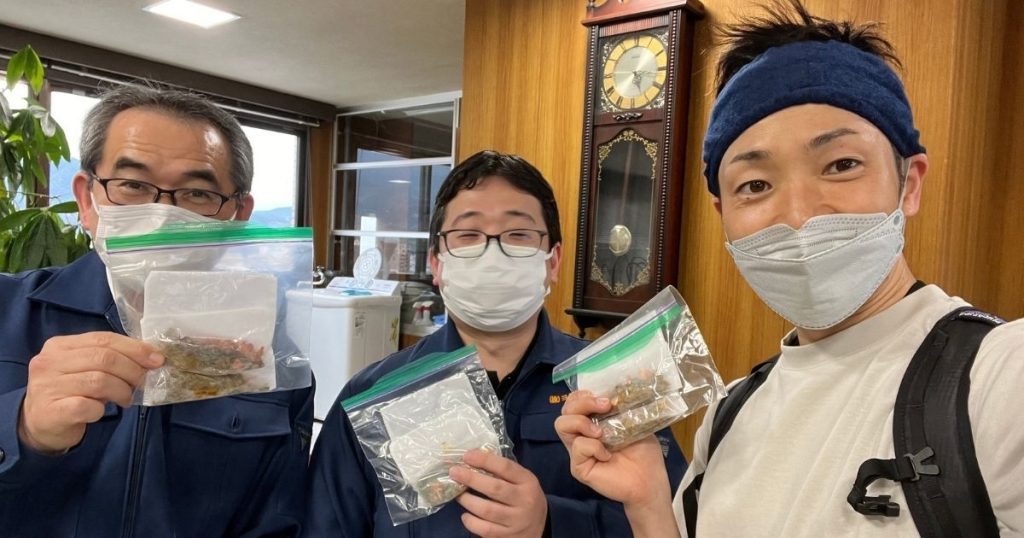
Takei:First, Meal Care told us that they would like to use our vegetable powder as part of a new series of vegetable breads they are making for school lunches.
We would like to use local Nagano vegetables if possible, but since UNDR12 does not yet have a factory in Nagano, we are first making prototypes of about 8 types of bread using our vegetable powder. Our powder is seasonal.The type of powder changes from section to section, the powder particle size can be adjusted, and it is additive-free and 100% naturally derived.We are not a supplier and a manufacturer. We approach our business not as a supplier and manufacturer relationship, but as if we are creating products together.
In addition, thisAccelerator ProgramThe "NAGANO-OIC 2021" involved several organizations, such as...The entire package includes "product creation" of bread, "food education" that uses bread making as a starting point to deliver SDGS-related educational content to children, and "food platform creation" to create a regional economic zone based on local production for local consumption.We are also talking about the possibility of expanding the service not only to Nagano City, but also to other municipalities served by Meal Care, and even outside of Nagano Prefecture, if that would be interesting.
From Meal Care's point of view, we had a "business idea" that was not limited to their company, and from our point of view, we had Meal Care's "technical capabilities," "credibility," and "sense of scale" that we did not have.
Benefits and barriers to collaboration for both parties
In working with business companies, were there any obstacles in reaching commercialization?
Takei:that's so, isn't it...The major retail distribution industry has always been in a state where they are making a lot of effort to reduce costs, so the purchase price is almost complete. When a start-up enters the market there, the cost is basically inevitably increased.
So, for a company, the benefits must be so great that they outweigh the losses, right?
On the other hand, if the company tries to cut back on various aspects to meet existing mass production and mass sales costs, it may be possible to do innovative things, but it will be difficult to make the product profitable. On the other hand, if you try to cut back in various ways to meet existing mass production and mass sales costs, you may be able to do innovative things, but it is difficult to expect profitability.
So, as a suggestion or request for improvement, I feel that it would be interesting for regional banks, for example, to "sponsor socially interesting demonstration experiments". This is an image of supporting acceleration in terms of finance. The regional banks participating in the program aim to revitalize the region, but I think it would be difficult for them to suddenly provide loans to startups that have no track record of financing. Therefore, I think it would be difficult for them to provide loans to startups without a track record of financing,I think that if we could sponsor the acceleration program itself by providing a special line of credit to local companies that plan the program, it would be a good PR value for both the initial goal and the program itself.
Hakken'schallenge
Lastly, please tell us about your vision for the future, if you have any goals you would like to achieve or a future you would like to realize.
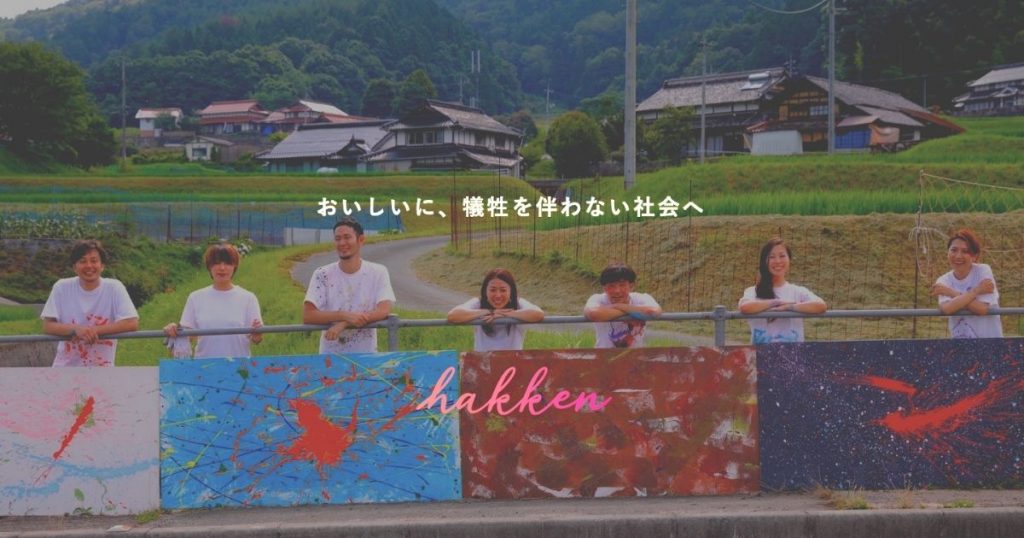
takeiWe are planning to increase the number of Hakken's 12 UNDR sites to about 7 in total soon, but we will continue to focus on small-scale decentralized production. Although mass production at low wages in large factories can reduce the price of products, this has resulted in food waste and a disparity between the producing and consuming regions. I believe that we are in an era in which we need to devise ways to absorb the cost increase, rather than having people work like machines at low wages in order to lower prices in a deflationary economy.
So,Our factories have always been small and local, and we will continue to increase the number of locations and the scale of our business proportionally."We intend to adopt a policy of
The company's vision for the future is to reduce food loss by producing dried loss vegetables while establishing a system where this initiative itself will revitalize the local community in the long term.Since we have been in the local base for a long time, we can have a long-term relationship with the local parties and never step away from the issues, and I believe that we can correct the skeleton local development measures from the standpoint of an "outside proponent/local residents".In fact, in Aki Takata City, where it has been almost a year since the company entered the market, it has been decided to proceed with programs related to dietary education and attracting companies, after close consultation with the town office staff.
and thenAnother challenge we would like to take on is the "Nationwide Cloud Drying Factory," which will connect dryers nationwide with an inventory system.There are many unused dryers in Japan. Using these dryers, we dry vegetables that would otherwise be lost in the region according to Hakken's standards, register them in our inventory system, and Hakken will purchase them by linking them to our needs. We are currently in the process of building the frame of the system.
Even though we have increased our direct management to 100 locations, the amount of lost vegetables collected is actually less than 1% of the total amount of waste. However, if we can increase our inventory by involving more and more players across the country in this way, I believe that we can finally contribute to solving the problem of food loss.
| name of company | hakken Corporation |
| Establishment | 2019 |
| Location | Nijo-sagaru, Kawaramachi-Dori, Nakagyo-ku, Kyoto City, Kyoto |
| representative | Mr. Junpei Takei |
| uniform resouce locator | https://creww.me/ja/startup/7zhzz676q https://about.hakken.io/ |
 Mr. Junpei Takei hakken Corporation
CEO
Ltd., where he worked in helicopter sales and consolidated accounting, and was stationed in South America and Africa as a resource business investor. After retiring, he established hakken Co., Ltd. in October 2007, and is currently promoting "UNDR12", a project to simultaneously solve food loss and regional issues by building a vegetable drying and processing plant in Kumamoto, Hiroshima, and other areas, while making a living as a web service developer. I work hard every day with high expectations for the future of society and interesting people on the earth. Currently, I have no home.





 JA
 EN
