


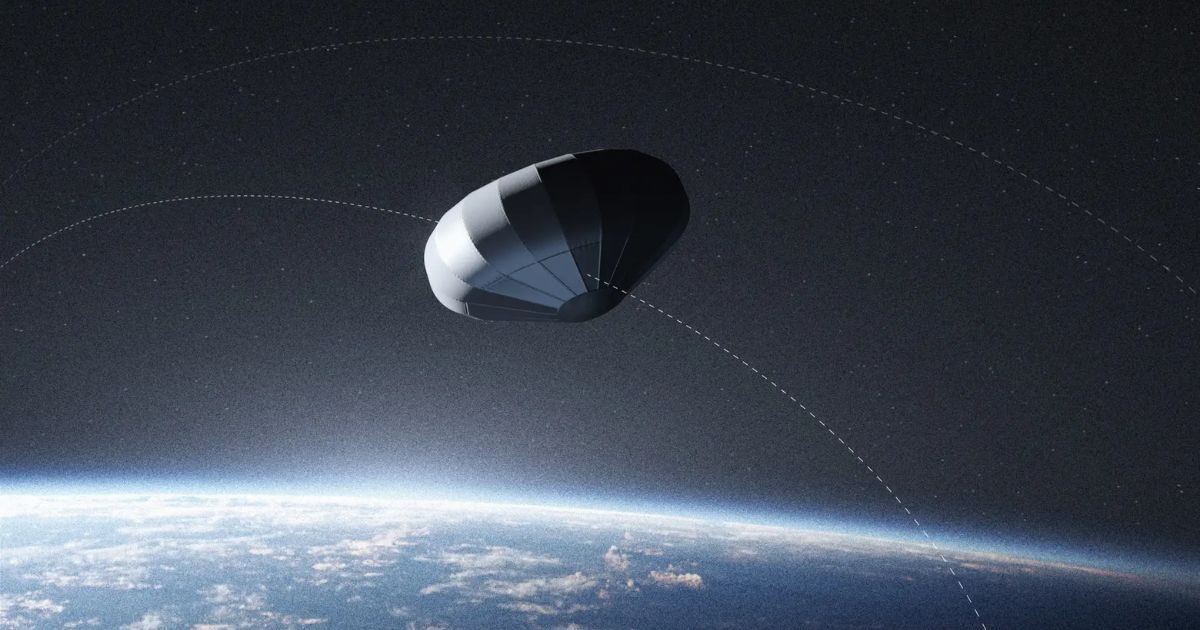
The MBS-LAB will be mounted on ATMOS' PHOENIX Capsule as a joint mission with ATMOS Space Cargo, a German space startup, and is scheduled for launch on SpaceX's Falcon 9 launch vehicle in April 2025. This mission will verify the feasibility of space bio experiments using satellites by conducting functional operation tests including microscopic observation in space with an experimental unit equipped with IDDK's Micro Imaging Device technology, which is a microscopic observation technology, and will contribute to the development of various life science fields such as drug discovery and anti-aging utilizing the space environment. The aim is to open a new era of in-orbit life science research by encouraging research in various life science fields, such as drug discovery, anti-aging, etc., using the space environment.

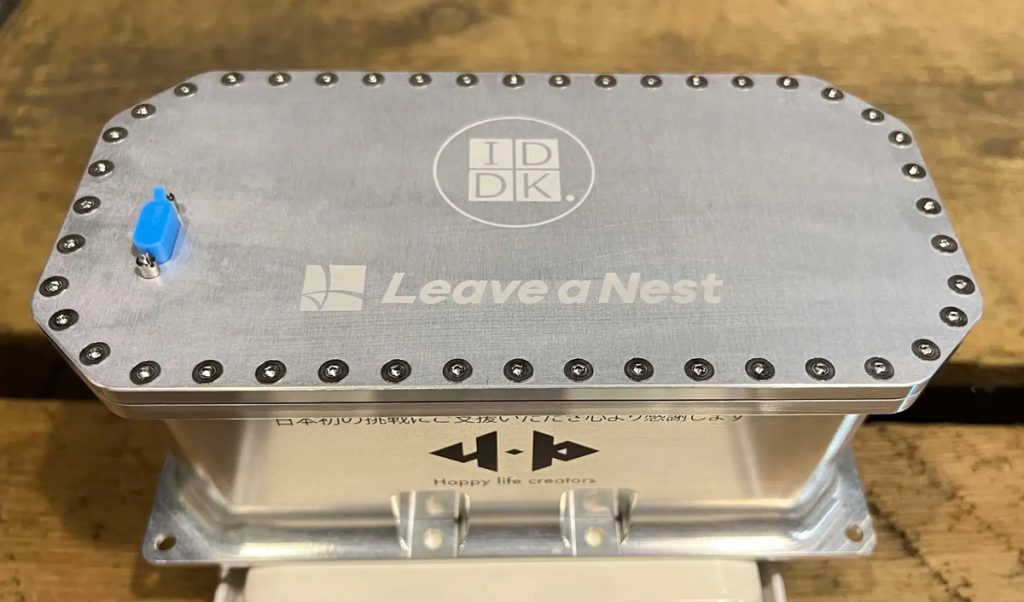
Strengths of IDDK
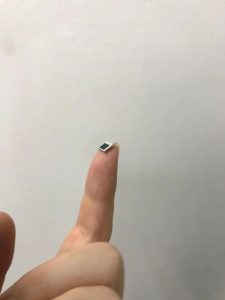
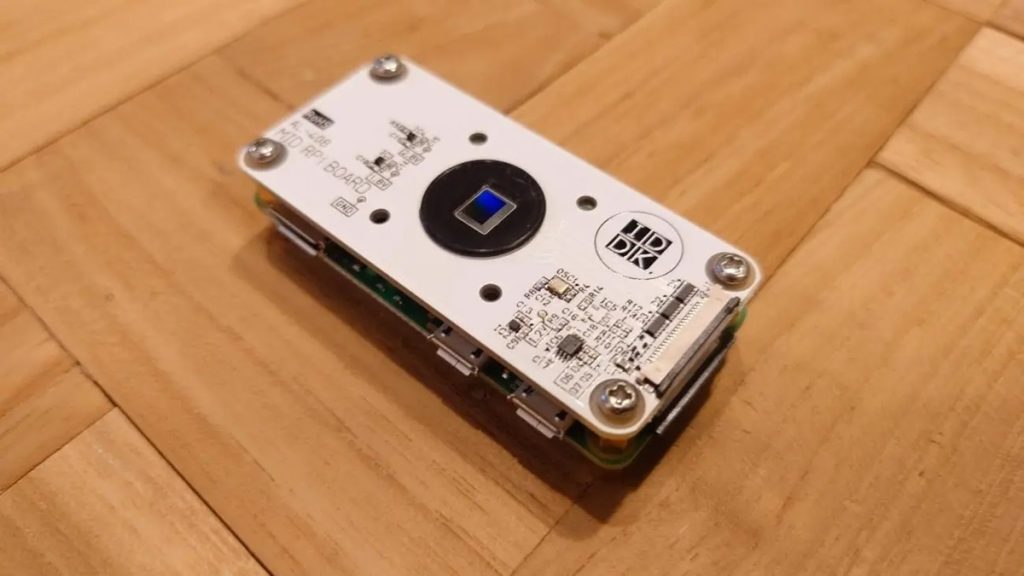
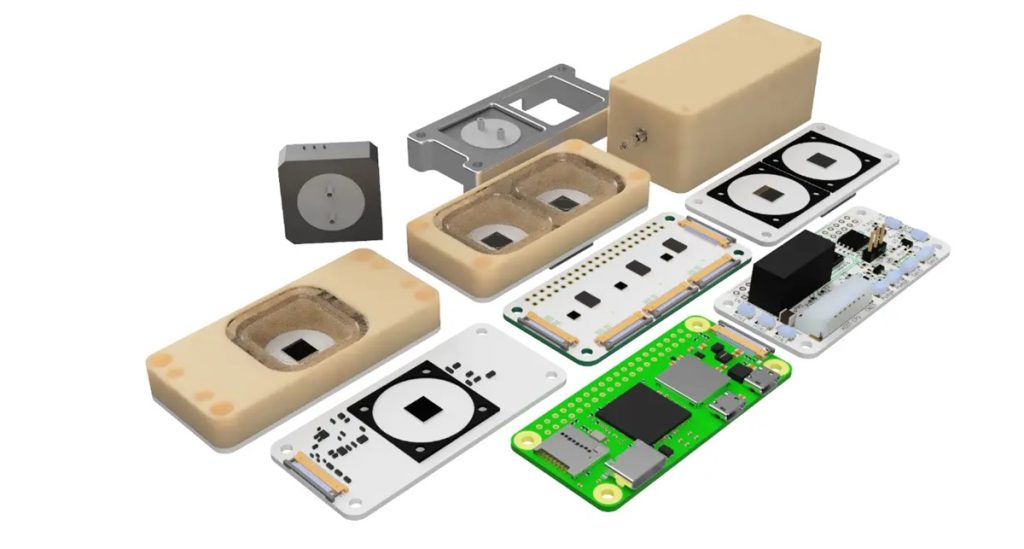
IDDK's key technology is the patented semiconductor sensor-based microscopic observation technology called Micro Imaging Device (MID), which does not require an objective lens like conventional microscopes. It is lightweight, space-saving, and enables high-resolution, real-time observation of biological samples.
In space missions, the size and weight of the payload directly affect launch costs, but the MID is significantly lighter and takes up less space than conventional microscopes. The MBS-LAB will be able to observe the response of cells and small organisms in microgravity and other space environments in low Earth orbit.
Mission Objective
The MBSLAB-ZERO mission, the first demonstration of MBS-LAB, is an important step in the development of future large-scale commercial and academic space environment-based research platforms.
IDDK has three main objectives for this mission
Demonstration of automation operation
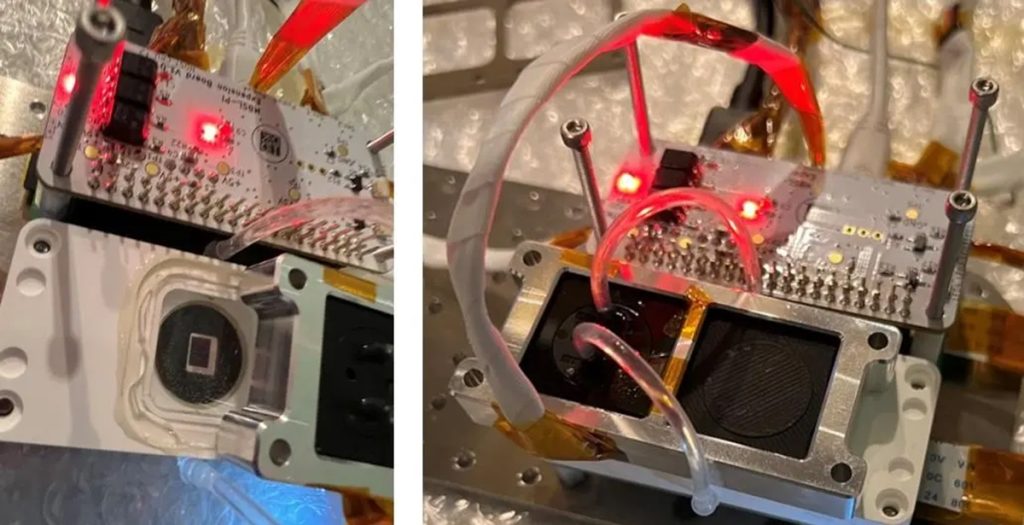
We will demonstrate that MID technology can perform continuous microscopic observations in the microgravity environment of low Earth orbit (LEO) with an automated system, including power supply and data management system.
2. real-time data acquisition demonstration
Demonstrate the ability to acquire real-time data from microgravity MIDs and sensors for microscopic observations and experimental environments, and show that the system can be used for a wide range of studies with biological samples.
Demonstrate the feasibility of space bio experiments outside of the International Space Station (ISS)
We will demonstrate that the MBS-LAB can be used as a platform for space bio experiments on satellites, and that it can be used as a means of conducting space bio experiments outside of the ISS.
As the ISS operation is coming to an end in 2030, we will provide the world with a new experiment and research environment option that does not depend on the ISS by demonstrating a space bio-experiment platform that utilizes satellites.
Micro Bio Space LAB - Toward a New Era of Space Biology Experiments
Automated and cost-effective operation
A key feature of the MBS-LAB is that it is not dependent on manned missions on the ISS or elsewhere, since it does not require astronauts to operate it. This means that astronauts are no longer limited by their work time or resources.
In addition, MBS-LAB will expand its lineup of optional parts for automation (such as observation units and culture chambers for various species) to meet diverse user needs, allowing users to build highly flexible experimental devices and procedures according to their ideas.
Compact and lightweight design
Missions in the space environment have severe mass and size limitations, and IDDK's MID technology offers tremendous advantages for both compactness and light weight of experimental units. This allows multiple experiments to be conducted in a smaller space, reducing launch costs and expanding research opportunities.
Possibility of sample recovery
IDDK has satellite partners around the world, including ATMOS, our mission partner for this mission. All of the partners are developing sample recovery techniques through atmospheric re-entry and are considering the option of bringing samples back to the ground after in-orbit observations with MBS-LAB in the future.
By combining data obtained in orbit with detailed analysis of samples brought back on the ground, the results of space bio experiments can be analyzed from multiple perspectives.
Future Outlook
Although this mission is a functional operation demonstration test in low Earth orbit, we are already planning a commercial flight mission for launch in 2026.
In the future, we will establish an "on-orbit experiment service" platform that can be easily used at high frequency and at low cost for research institutes, biotechnology companies, and manufacturing companies.
Experiments and research in the space environment are expected not only to contribute to people living on Earth, but also to support the expansion of the human sphere of life into space and have an industrial impact, such as the creation of new businesses and industries and the expansion of existing industries.
Based on this, the platform will aim to expand to support research in a variety of industries and fields, including
Common ThemeSpace-based research and demonstrations in all industries and fields. Basic research and technology demonstrations under conditions that cannot be reproduced on the ground. Development of new processes and optimization of existing technologies in the space environment.
Drug Discovery, Health and LongevityImprove the accuracy of screening and toxicity testing and shorten development time. Development of medical technology for space.
Stem cells, regenerative medicineThe following are some of the applications: advanced organoid manufacturing using microgravity environments and biofabrication for mini-organ manufacturing and applications in regenerative medicine and drug discovery. Optimization of stem cell culture.
Cosmetics & Health CareNew possibilities for beauty and health brought about by the space environment. Development of new materials and ingredients. Research on anti-aging care using space stress. Space application of terrestrial products.
foodstuffEstablishment and optimization of food production technology derived from: microorganisms, plants, etc. Cultured meat production.
Materials EngineeringCreation of new materials through high-quality crystallization by utilizing the phenomena under microgravity (no convection, no hydrostatic pressure, isodispersion, etc.).
biotechnology: Establishment of next-generation biotechnology that takes advantage of the space environment. Synthetic biology, space bioreactor technology, and space environment-enabled microorganisms.
IDDK is currently accepting consultations for a commercial flight that aims to be launched in 2026, using this demonstration experiment as a precursor.
For more information, please contact *IDDK Information (iddk_info[at]iddk.co.jp).
Additional information about this mission will be announced in due course over the next few weeks.
Message from Mr. Kohei Yoshioka, Director and CFO
MID technology, which enables continuous and autonomous observation of bio-samples in space, has the potential to revolutionize space life science research. We believe that simpler and more cost-effective methods will enable space experiments to be conducted at higher frequencies than ever before.
Furthermore, by combining in-orbit experiments with ground-based analysis, we can expect to make innovative advances in many areas, including the development of new drugs and the study of organoids.
Conventional on-orbit research has been influenced by the ISS schedule and limited space. Our goal is to create an environment where space experiments can be conducted as easily as in a laboratory on the ground.
Going forward, we will build a robust ecosystem involving industry, universities, and government agencies to promote innovative research utilizing microgravity.
Message from Soichiro Ueno, CEO and Representative Director
Based on our basic philosophy of "contributing to a better future for people around the world through microscopic observation technology that can be used anytime, anywhere, by anyone," we have been working to promote the use of our one-chip microscopic observation device, Micro Imaging Device (MID) technology. We have been working to promote the use of our one-chip microscopic imaging device (MID) technology.
As an important application of this technology, we are involved in the space bio-experiment business.
The mission of the Space Biotechnology Experiments Project is to provide a venue for the privatization of space biotechnology experiments to generate innovations for human problems that cannot be solved by ground-based research alone.
This demonstration experiment is a significant step toward the establishment of our space bio-experiment platform and the development of our space bio-experiment business.
Our goal is to contribute to the Earth through discoveries and technological developments in the new field of space, and to be part of the infrastructure that supports experiments and research to enrich human life in space.
IDDK Corporation|Company Profile
| name of company | IDDK Corporation |
| Establishment | June 2017 |
| Location | 309 Asahi Building, 1-12-8 Tomioka, Koto-ku, Tokyo |
| representative | Soichiro Ueno |
| Business Overview | Research, development, manufacture, and sale of semiconductor sensor-based microscopic observation systems that do not require optical lenses, and provision of services using these systems |
| uniform resouce locator | https://iddk.co.jp |






 JA
 EN
