


Collaboration with "truss", a "construction x IT" startup, to significantly improve operations and efficiency

-In July 2019, you began working with Truss, an "architecture x IT" startup; what were you working on before they invested in you in November 2020?
truss is a startup developing "truss," a building materials selection cloud service that enables cross-maker comparison of the vast number and variety of "building materials" and precise product searches.
In the past, designers had to search for construction materials one by one from each manufacturer's "paper catalog," a time-consuming and labor-intensive task. In addition, it was difficult to share the data internally and externally in the form of a table that summarized and listed information such as model numbers, colors, and performance of building materials, making it labor intensive to check and manage.
As a result, it took time to check the latest information, and human errors occurred across departments (organizations), such as ordering building materials based on information that had not yet been updated. However, with the use of TRUS cloud services, dispersed building material information is integrated in the cloud, resulting in a significant increase in efficiency and improvement of design work.
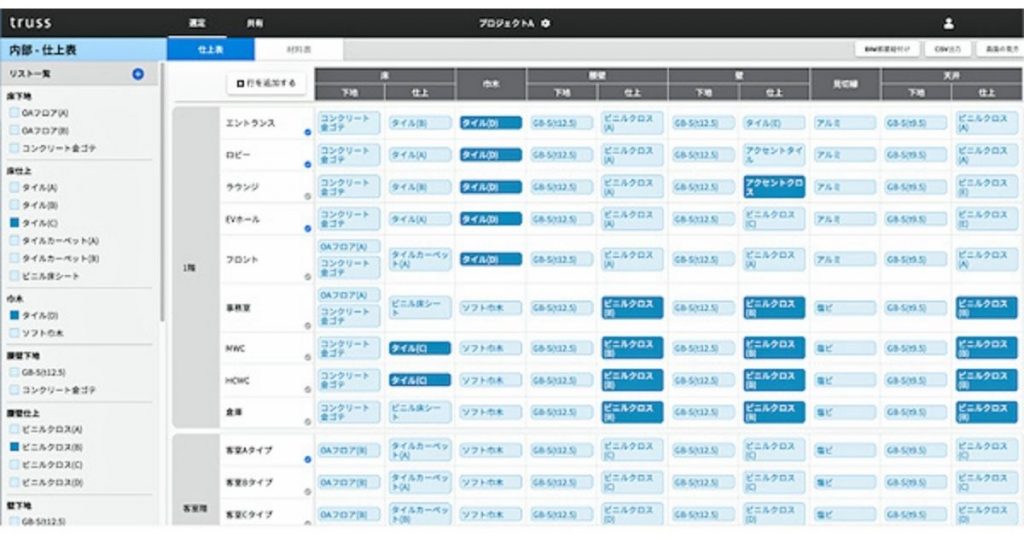
Search for building materials from the truss database, and register and update them in the finishing table according to the degree of progress of each project.
Therefore, we have been brushing up the system with test operations in some departments since July 2019, and have been working toward a company-wide implementation.
It is easy to say "construction" in one word, but there were multiple organizations for the process, and in order to achieve collaboration with trusses, we needed to move across multiple organizations to put in a horizontal skewer. It was not easy to gain understanding and sympathy by repeatedly explaining the process to the directors and other concerned parties, but we were able to gradually gain their understanding because the sense of the issues we wanted to solve, such as the complexity of the work, the volume of work, and the time and effort required, were the same throughout the company.
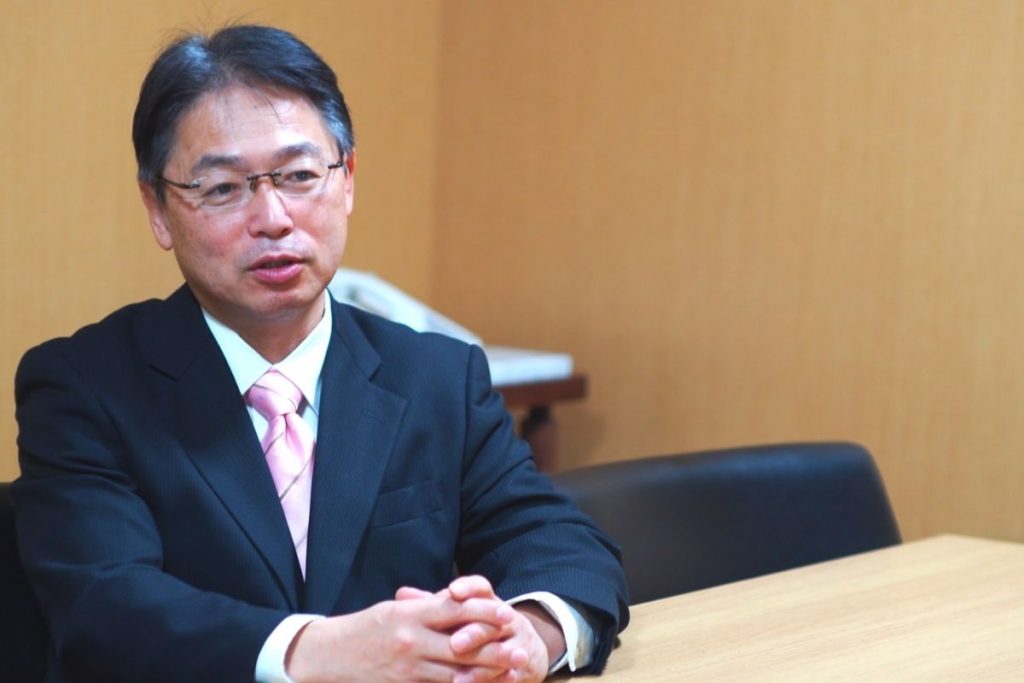
Currently, we expect to improve efficiency by 30-40% in the construction material selection process, and we would like to introduce a company-wide system at an early date in 2021, as well as link it with another existing system to achieve further business linkage, efficiency, and productivity improvement.
Crossing multiple organizations requires an organization dedicated to the task
-I think it was not easy to get involved across the organization. Were there any other difficulties you encountered?
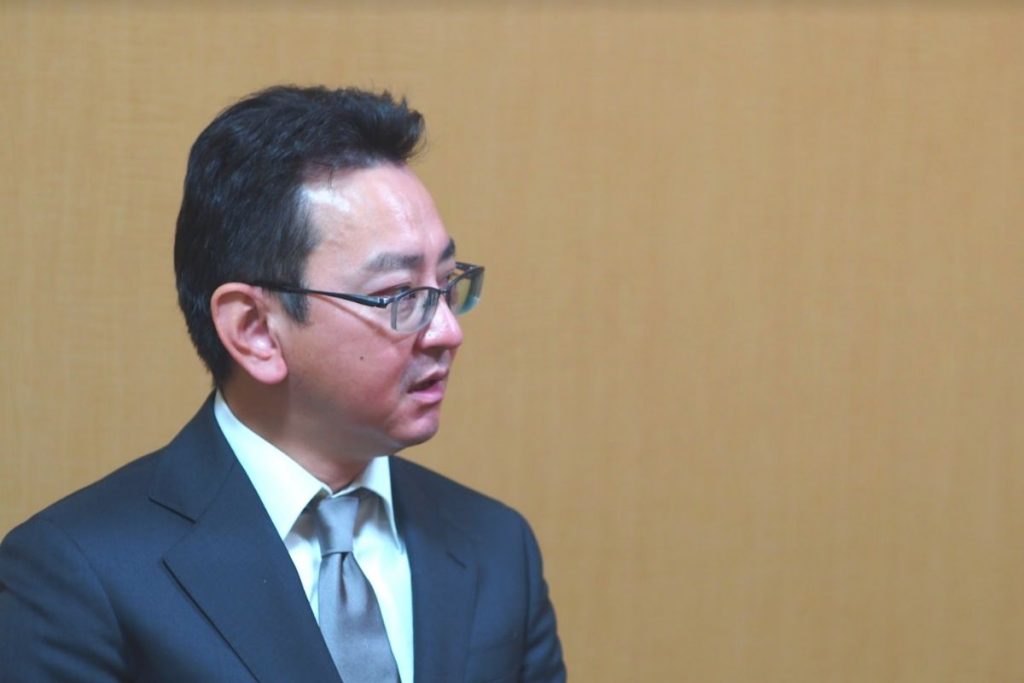
The collaboration with Truss began as an initiative led by architectural design employees. Meanwhile,To make it a cross-organizational effort, the Innovation Department will also work together to promote it.I have done so.
The Innovation Department was newly established in April 2019 and includes many members with administrative and sales backgrounds, with some members not specializing in systems or architectural design.
So it was quite difficult to move the project forward while learning to "personalize" the issues and explain them internally. Still, I had daily communication with Truss, and he was making improvements based on feedback from the department that was running the test operation, so I felt comfortable with him.
This was the first time for Ando Hazama to collaborate in earnest with a startup,Without a dedicated team like the Innovation Department, this would surely have been difficult to achieve.I think.
This is because IT solutions such as the Truss cloud system, although sought by all departments, are not easily accessible because it is difficult to take a sounding board across the organization and the impact on the core business is not small.
Even if the solution somehow takes shape, it will be a solution that no one will use if it is not followed through to its operation.
But it was very meaningful that the Innovation Department was able to stand around and avoid such problems.To promote open innovation, it is very important to have a function that is not a one-sided effort, but a dedicated one.I realized that this was the case.
Accelerate the speed of development through investment and demonstrate your efforts internally and externally.
-In November 2020, Ando Hazama invested about 100 million yen in Truss. What is the background of this investment?
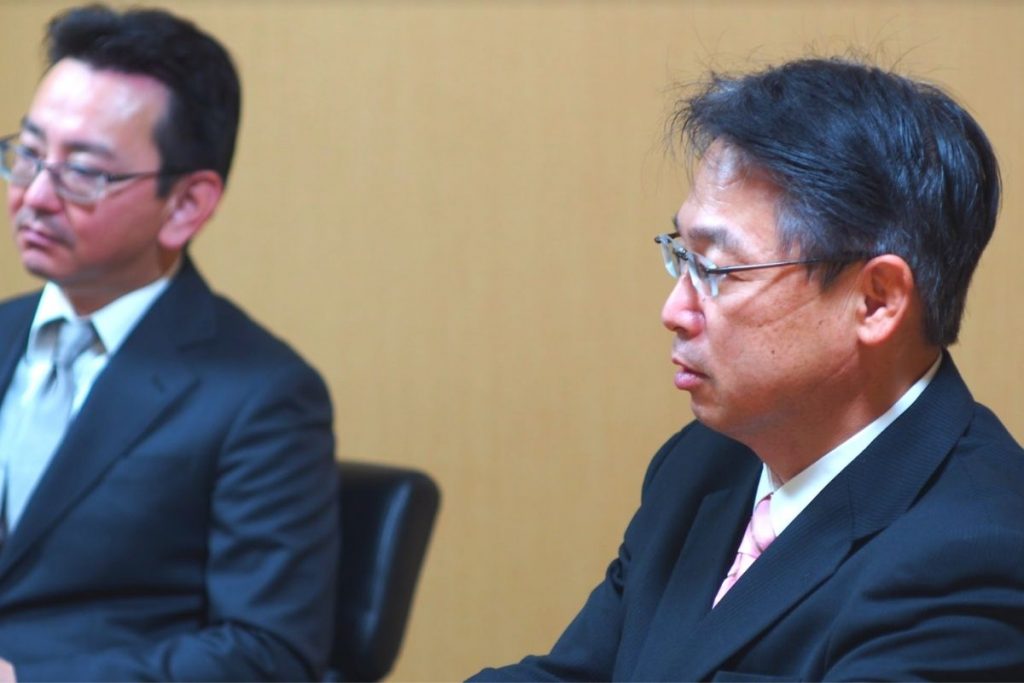
Ando Hazama had a need for Truss to increase its development capabilities and speed up the development process, while Truss wanted to increase its capital in order to achieve a quicker introduction. The needs of the two companies matched, and the investment was made in order to resolve them.
-I understand that you took advantage of the government's open innovation promotion tax credit when you invested in the company.
Of course, there are advantages to our company in utilizing government policies, but more than that, we also wanted to demonstrate within the company that Ando Hazama's efforts are in line with the direction that the government is aiming for. If the perception changes from "the Innovation Department is doing something on its own" to "we are working on the same initiatives as the direction the government is aiming for," it will change the way we look at things.
In addition, I thought it would be a good way to demonstrate outside the company that Ando Hazama is proactive about open innovation. In fact, I heard from the PR department that the press release had a great response, and I was also told from an unexpected source that they had invested in a startup.
If employees have more opportunities to hear about these topics, it may have a positive impact, and other startups may approach us to collaborate with them.
Signs of Change Emerging within the Company
-Did you see any changes in your employees as you involved the company in collaborations with startups?
When the Innovation Department was launched, the response was not good even when we gave information about startups to the relevant departments and asked them to join our collaboration, and we could not get cooperation unless we desperately called for it.
But recently, employees have been asking, "Do you know of any startups that have this kind of technology?" and when we try to start something new, even departments that we have not invited to join us are now asking us to join them.
In addition, as a grassroots activity of the Innovation Department, we regularly hold events after working hours to introduce startups to our employees, and despite free participation, more than 20 people attend each event. When we changed the event to an online event with the Corona Disaster, we were surprised that even expatriate employees participated.
As a result of these gradual changes within the company and the ease of working with startups, the Innovation Department, in parallel with its efforts with Truss, began to contact startups directly, both in Japan and abroad.
We are currently working with six companies, including Truss,We want to triple or quadruple the number of startups we collaborate with.Therefore, we would like to accelerate open innovation by first establishing a track record of company-wide implementation of the Truss cloud system.
We want to fundamentally change the way we work and revolutionize the construction industry.

-What kind of future do you want to create through innovation?
As a premise, you don't want to use the Truss building materials selection cloud system only for Ando Hazama. The issues we have are issues that the industry as a whole is facing. So if we work together and Truss grows into a platform that can be used by the entire construction industry, I believe it will lead to a major reform of the industry.
On top of that, I would like to take on the challenge of changing the way the construction industry does and should work. Until now, tacit knowledge, such as skills and knowledge, were generally handed down over time, but it has been said for nearly 20 years that this would no longer be viable.
It is a system that has remained unchanged for a long time, but now that cloud computing is available at low cost and the number of startups with sharp technological capabilities is increasing, we believe that the timing is right to use technology to change the way tacit knowledge is passed on and the way work itself is done. Rather, we must change now.
For example, if heavy machinery can be handled remotely and tunnel excavation work can be done while watching a monitor in the office, the image of the industry will change 180 degrees. If work that was once thought to be dangerous is replaced by office work, women will be able to play an active role in the industry. I hope that Ando Hazama can lead the next generation of the construction industry, a future of the construction industry that we cannot imagine today.





 JA
 EN
