


What should open innovation look like in this post-Corona era of rapid change? We will analyze the current state of open innovation as well as examine its future prospects.
How is open innovation being changed by Corona?
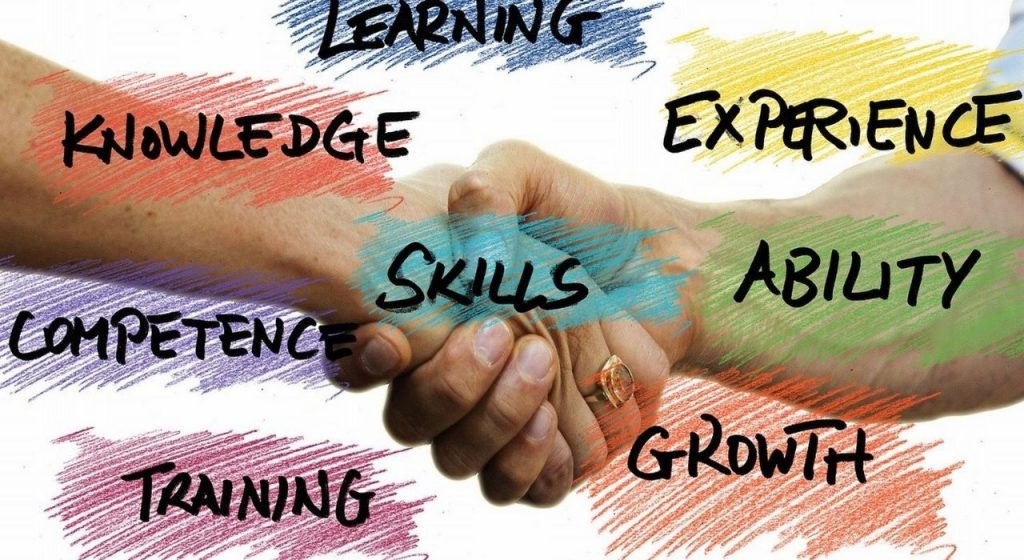
Open innovation is a method of collaborating with outside organizations and actively utilizing their technologies and ideas. It has been adopted by many companies in recent years for the purpose of revitalizing organizations and developing new businesses. One such example is the co-creation of drones and big data by telecommunications giant KDDI. However, Corona has changed this trend. What is the current situation?
Current State of Open Innovation
In the midst of the Corona disaster, companies are suspending or postponing investments in startups because of the uncertain outlook. In other words, open innovation has been slow to take off.
However, this is not to say that open innovation is predicted to stagnate in the future; it would be more appropriate to describe it as a temporary wait-and-see phase. Rather, it is predicted that changes in social structure and individual awareness will increase the likelihood of new industries being created. Expectations for open innovation will increase further in the future.
Changes in industrial structure due to corona
Work styles are changing drastically with the spread of telework. There is no doubt that this trend will spread to various industries. New needs are expected to emerge as society and the structure of the economy change. Open innovation will play an even greater role in creating new businesses and solving society's problems. Unlike in the past, all companies will stand on the starting line at the same time! The current situation is that all companies are about to start at the same time and run with a "yo-yi-DON!
The trend of new industries being created by new lifestyles will further accelerate in the post-Corona era.
What is required for open innovation in the Corona Disaster
Let us examine what is required for open innovation at a time when both workstyles and lifestyles are being drastically changed by Corona.
From Short-Term to Mid- to Long-Term Outlook
The corona has led to changes such as the widespread use of telework to avoid the three densities (enclosed, dense, and close together) and limited business in restaurants. Among the many industries that were damaged, there is a growing demand for internet-related, delivery, and hygiene products.
However, what is required of open innovation is not a response to these short-term changes in circumstances, but rather a response to medium- and long-term circumstances. For example, it is expected that the needs of industries that match the trend toward online, automated, labor-saving, and remote operations will increase.
More essential and clearer
One of the things that Corona has brought about is rapid change in the industrial structure. It is safe to say that the speed of change is definitely getting faster. If things are changing slowly, we can slowly build open innovation through trial and error, but to respond to rapid change, we need to pinpoint and set clearer goals.
The goal should not be to launch a new business, but rather to envision in concrete terms who the new business will benefit and in what positive way.
If I had to pick one positive element of what the Corona disaster has brought to many people, it would be more time to reflect on what is truly important. In the age of the New Normal, the trend toward more essential things is expected to become more pronounced.
The industry needs to respond to this awareness. It will be necessary to promptly invest management resources, including human resources, in new businesses that are no longer needed and will be needed in the future, in order to make them clearer and more essential.
Changes in the open innovation process
The general pattern of the process in open innovation has been for a large company to launch a program, publicly invite partners to collaborate, and after a selection process and a trial period, the collaboration begins. However, Corona is bringing about a significant change in the open innovation process as well. Let's take a look at this in detail.
Further openness through online
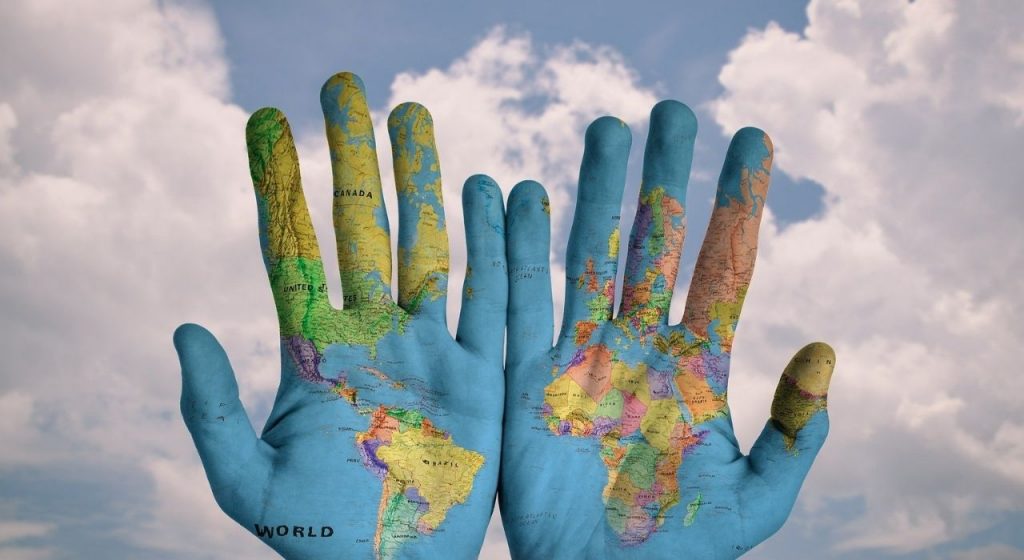
There is a definite shift online in open innovation as well. The removal of spatial and regional limitations allows for a wider range of entrepreneurial combinations. In other words, going online leads to more openness, and the qualities of open innovation are likely to be more effective.
Accelerating Globalization
Openness means the elimination of all regulations. Boundaries, even national borders, will be crossed with ease. Although the Corona has restricted the movement of people over long distances, it has certainly shortened the distances between companies. What will be required in the future will be open innovation based on a global perspective.
Prospects for Open Innovation in Post-Corona
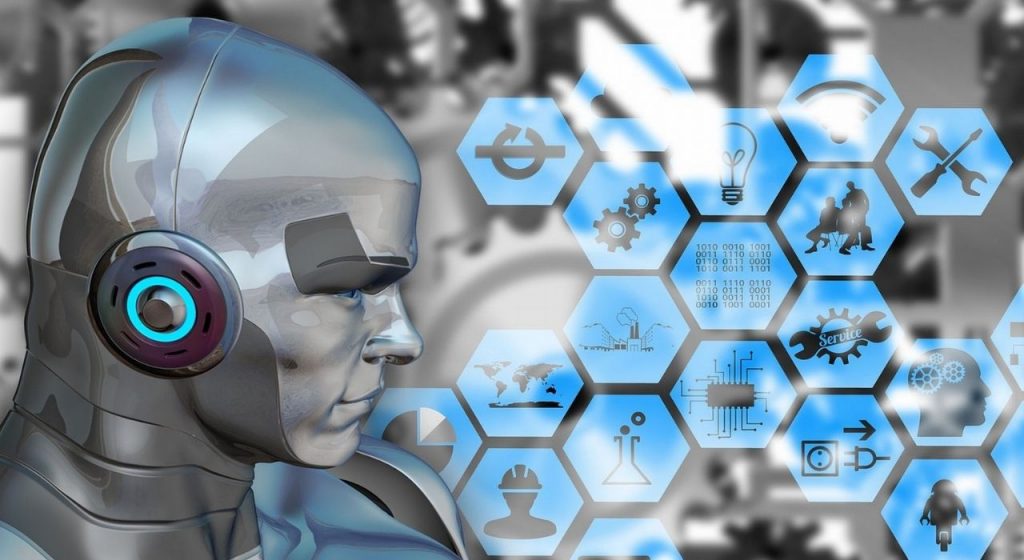
Let's look at the prospects for how open innovation in post-Corona will change and what it should be.
Sprouting of new innovations
The changes in social and economic structures due to the corona and the penetration of the New Normal are expected to bring about major changes in the structure of industry itself. Past history has shown a marked tendency for the birth of new innovations to be brought about by change. The seeds of new innovation must have already begun to sprout near industries that are compatible with or accelerating the trend toward online, automated, labor-saving, and remote operations.
Open innovation that responds to the demands of society
One of the major motivations for open innovation in the past has been "to create something that did not exist in the world, something you want to create. In the post-Corona era, we expect to see more cases of "creating new things that society needs. Expectations will rise for startups and venture companies that can provide clues to solving problems such as medicine, sanitation, the declining birthrate and aging population, and rural revitalization.
If we can present clues to solving society's problems and issues by creating new industries, perhaps we can enlist the cooperation of the government. The people and companies participating here will be highly motivated. The social perspective is sure to become more important when considering open innovation in the future.
In the post-Corona era, "co-creation," or creating together, will become even more important.
One of the things that the Corona brought about was that people not only in Japan but also in a wide swath of the world experienced similar experiences and emotions at almost the same time. Everyone was equally anxious and fearful, feeling bewildered and inconvenienced by the uncertain future.
It is very likely that these shared experiences and common understandings will become the key to creating new innovations. Empathy and sharing are expected to become major points in connecting people to people and companies to companies. In the post-Corona era of open innovation, "co-creation," or creating together, will become even more important.




 JA
 EN
